


Rising Myopia in Kids: How Regular Eye Exams Protect Their Vision
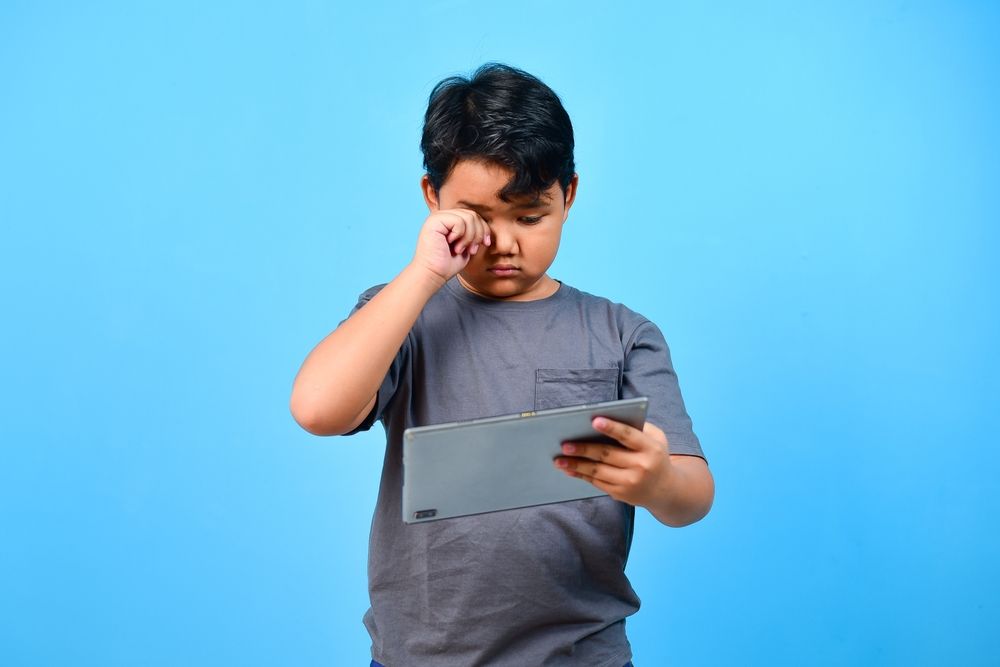
Clear vision plays an important role in how children learn, play, and move through daily life. When vision changes go unnoticed, they can affect comfort, focus, and performance both in and out of the classroom. As myopia becomes more common in children, regular pediatric eye exams are an important part of protecting long-term visual health and supporting clear, reliable vision during key stages of development.
What Is Myopia?
Myopia, or nearsightedness, happens when the eye grows too long from front to back or when the cornea bends light too strongly. Instead of focusing directly on the retina, light focuses in front of it, which causes blurry distance vision. Children with myopia may squint, sit closer to screens, move closer to the TV, or complain that they cannot see classroom materials clearly.
Why Is Myopia Increasing in Children?
The rise in childhood myopia is linked to both genetics and lifestyle. Children with myopic parents may have a higher risk, but environmental factors also matter. More near work, more screen time, and less time outdoors have all been associated with a higher risk of myopia or faster progression.
How Myopia Can Affect Vision and Learning
When children cannot see clearly at a distance, school can become more frustrating than it needs to be. Blurry distance vision may affect how well they follow lessons, copy notes, view digital boards, or stay engaged during class. Some children do not realize their vision is reduced because they assume everyone sees the same way. That is one reason myopia can go unnoticed without a comprehensive pediatric eye exam.
The Importance of Regular Pediatric Eye Exams
Regular pediatric eye exams are important for early detection and for making sure children have the clear vision they need for learning, development, and daily life. Basic vision screenings are not a replacement for a comprehensive eye exam, because they may miss issues that affect how a child sees and functions visually.
Comprehensive eye exams can identify myopia before it starts to interfere with school performance or confidence. They also allow your eye doctor to track changes over time and recommend the right next steps when needed. For children who already have myopia, yearly exams are commonly recommended, and some may need more frequent follow-up depending on their treatment plan.
What Parents Should Watch For
Squinting when looking far away
Sitting too close to screens or the television
Complaints of blurry distance vision
Trouble seeing the board at school
Headaches or eye strain after visual tasks
These signs do not always confirm myopia, but they do signal that an eye exam is a smart next step.
Protecting Your Child’s Long-Term Vision
As myopia becomes more common in children, routine eye care plays a bigger role in protecting long-term visual health. Early diagnosis supports timely treatment, clearer day-to-day vision, and better visual comfort in school and at home.
For families in League City, Dickinson, and our surrounding communities, regular pediatric eye exams are one of the most effective ways to stay ahead of changes in a child’s vision.
Schedule Your Child’s Eye Exam
Schedule your child’s eye exam with Signature Eye Center to ensure clear and healthy vision. Visit our office in League City, Texas, or call (218) 337-3344 to book an appointment today.


Contact Info
Hours of Operation
- Monday 9:00am - 5:00pm
- Tuesday 10:00am - 6:00pm
- Wednesday 10:00am - 6:00pm
- Thursday 10:00am - 6:00pm
- Friday 9:00am - 5:00pm
- Saturday Closed
- Sunday Closed
© 2026 Signature Eye Center. All rights Reserved. Accessibility Statement - Privacy Policy - Sitemap
Powered by:
